



Part 1: Skiing Antarctica: The End of the World
|
|
Ira Evans decided to ski to the end of the world. The journey stretched from Argentina to Patagonia, then from Ushuaia, a town on Tierra del Fuego archipelago, the southernmost tip of South America, to Antarctica. Ira hoped for turns, but he realistically divided the mission into thirds: one part skiing, one part wildlife, and one part taking it all in.
Ira’s trip began with movement. He and his crew flew into Buenos Aires, Argentina, before heading south into Patagonia. They first ventured to El Calafate, then El Chaltén, tucked beneath the jagged granite of Fitz Roy. They arrived early, before they were set to depart to Antarctica, to become enveloped in their surroundings.
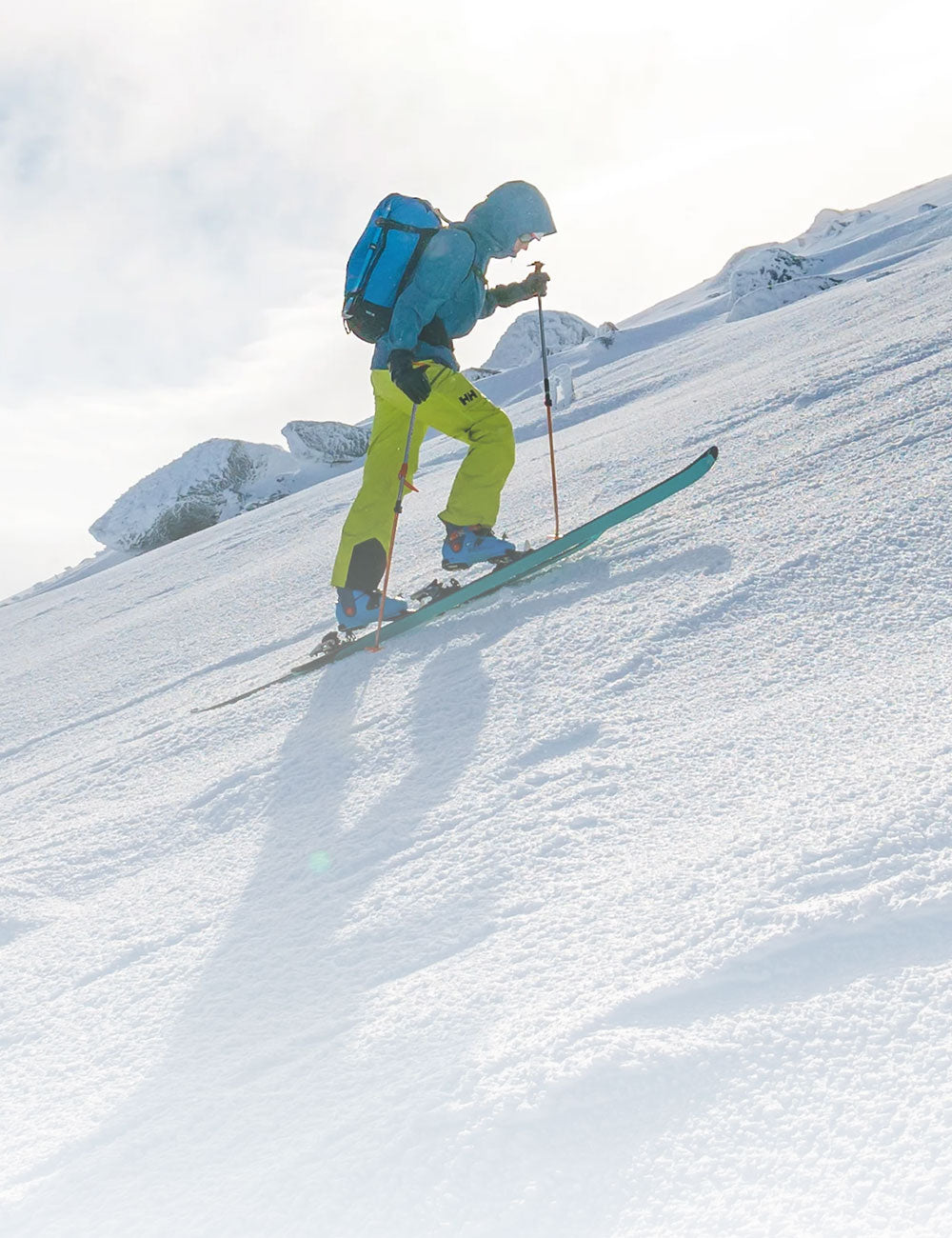
Their first ski day started with a long walk. The team took on nearly two miles of dirt before they even reached snow, and once they did, they prepared for the glaciers ahead. This meant harnesses on to rope up through crevasse country. When you ski glaciers, every step matters.
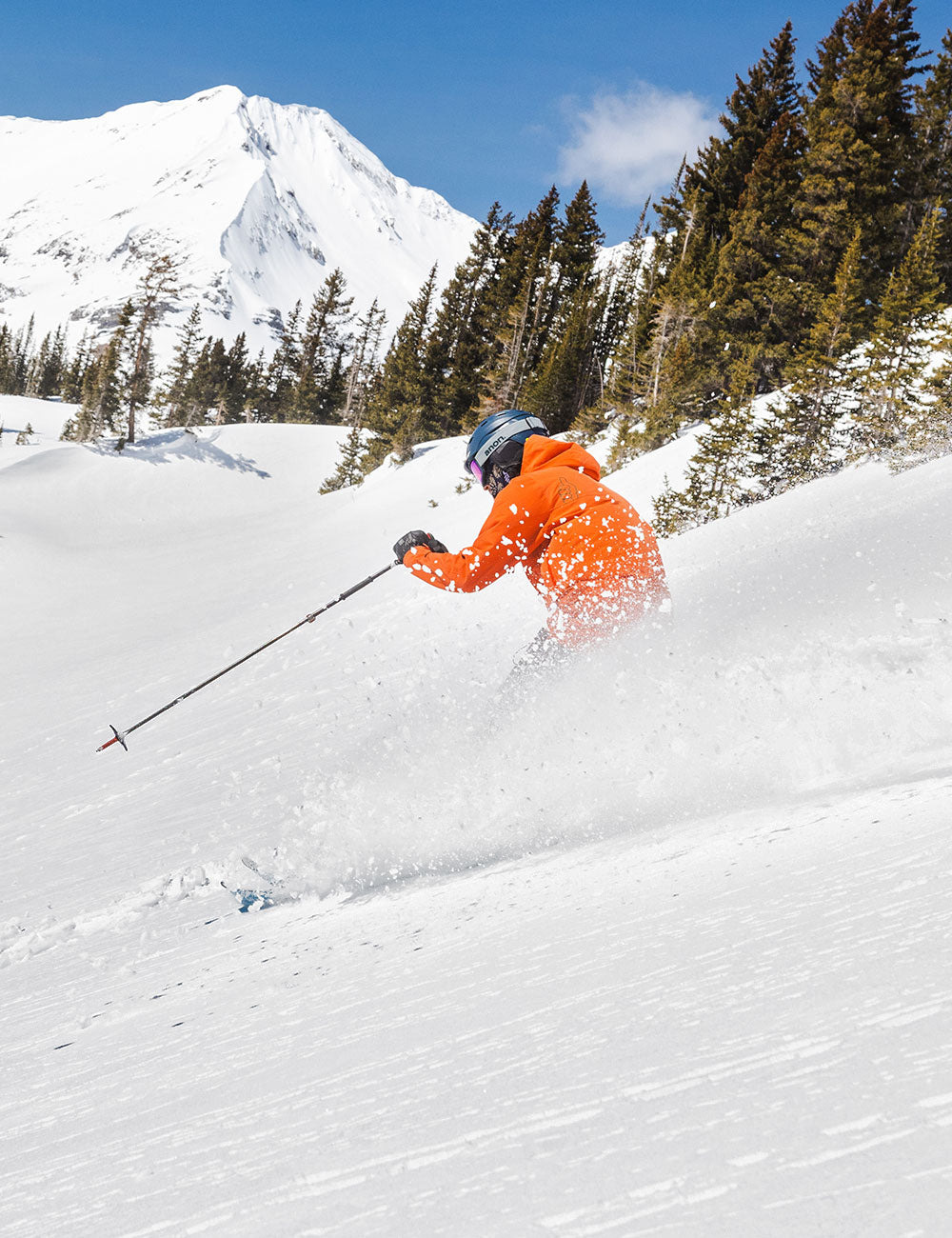
They were met with corn snow, big terrain, and heavy wind, which whipped through the wide open landscape. As the raw, testing conditions shifted, they too adapted, hiking to chase views and keeping daily plans flexible. One day started before sunrise, and the crew hiked to a plateau, traversed a frozen lake, then skied two laps on another glacier before wind and fog rolled in. Getting out required bootpacking collapsing snow with skis on their backs, followed by more than six miles of hiking back to town.
They walked into El Chaltén carrying skis and boots while tourists stared.
“People looked at us like we were on drugs,” Ira laughed. “But it was so worth it.”
Soon enough it was time to fly to Ushuaia, the southernmost city in the world. Spring conditions meant more hiking than skiing, and treks followed similar patterns: dirt first, snow later, glaciers hidden behind clouds.
Then came the crossing.
It took two days across the Drake Passage, also known as the Drake Lake or the Drake Shake. The team got lucky on their way there, with gray skies, manageable waves, and a ship built like a floating hospital. “The boat is the ambulance,” Ira said. “There’s no helicopter coming.”
Finally, they reached Antarctica.
First stop: a flooded caldera of a volcano. With nearly a full ring of land, the opening ranged a narrow gap. Deception Island sat inside.
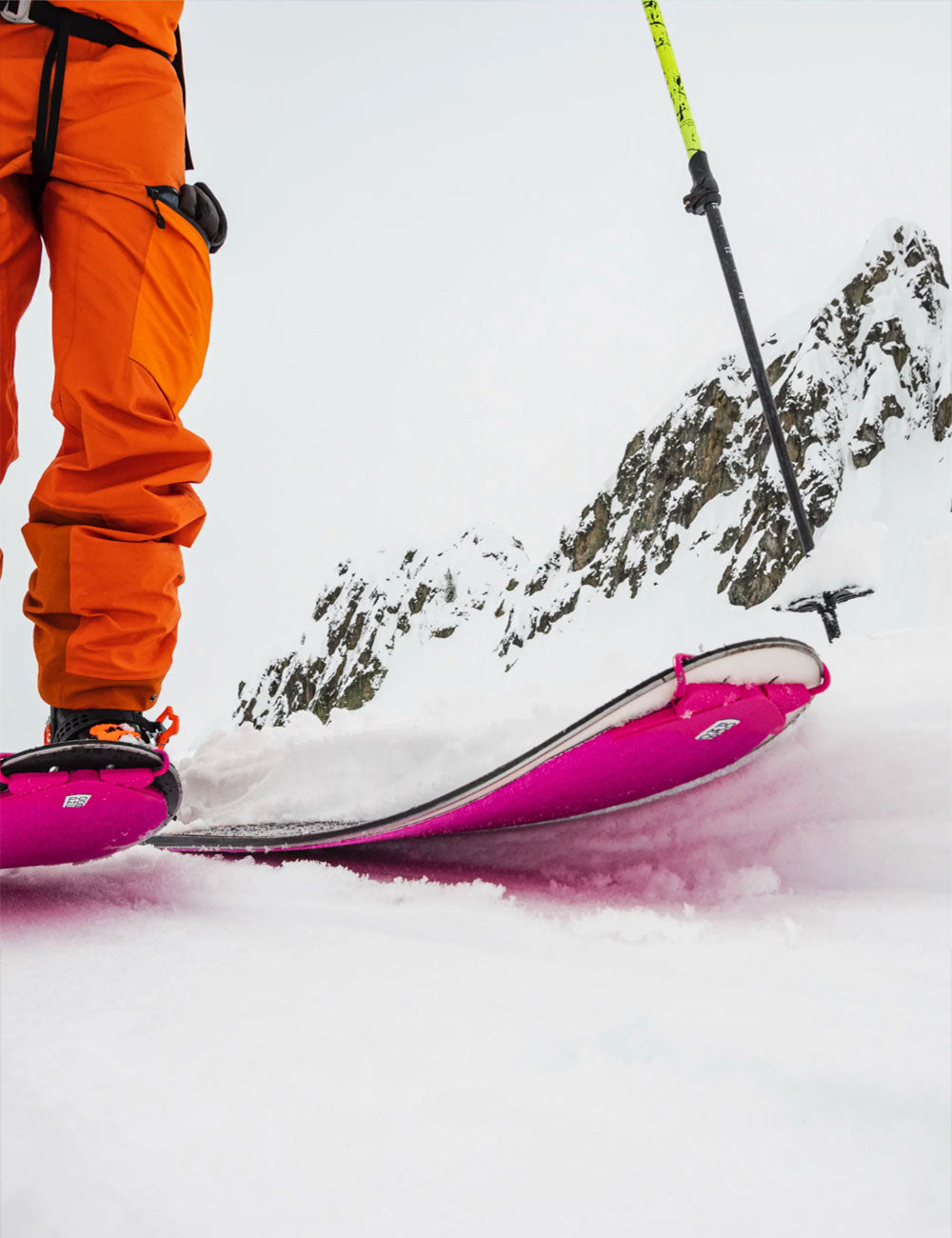
As they stepped onto dark volcanic dirt, then hiked up to snow, the team battled poor visibility and spring conditions; a far cry from the winter dreams they’d envisioned. Still, they’d made it. Ira and his crew were skiing in Antarctica.
Penguins stood nearby and icebergs floated offshore. The environment was so strikingly different, and the team could feel it.
From there the crew went to Bluff Island and Charlotte Bay, where whales surfaced offshore and chinstrap penguins and seals filled the shoreline. The skiing was firm and fast.
Then things turned serious.
On Nansen and Enterprise Islands, snow fell hard and visibility dropped to nothing. They bootpacked steep terrain, roped together near corniced edges, careful to sidestep down narrow sections where a single mistake could mean everything.
“That was probably the most technical part of the trip,” Ira said.
Fortunately, their guides, including legendary Chris Davenport and a crew from New Zealand and Australia, were cautious to the core. “The boat is their ambulance,” Ira reiterated. “If someone gets hurt badly, everything changes.”
The team prioritized skiing smart and avoiding crevasses. With each line choice, the Ira, the guides, and the rest of the team let safety dictate their decision making.

Renoun Skis Reviews team has over a decade of ski design and manufacturing experience, and decades of combined ski-industry experience ranging from certified PSIA ski instructors to shop technicians, racers, and coaches. We also have a deep passion for and love of all things skiing. The team utilizes this experience to provide unparalleled reviews that dive deep to help guide your purchase for just about any ski-related item and help inform you of any ski-focused tips and tricks about maintenance, on-hill performance, and even the best places to enjoy your Après-Ski. Through written and video content, the Renoun Skis Reviews team is here to help inform you on all things ski-related.
Our team curates recommendations based on an intensive research and review process and leverages our unique expertise in the industry. A product must be exceptional in quality and have unique features to qualify for consideration in our review process. For all tips and tricks, all advice is based on on-hill and ski manufacturing knowledge, as well as intensive research to ensure accuracy and help skiers like you stay informed.
To share feedback or ask a question about this article, send a note to our Reviews Team at info@renoun.com.
The Author: Lucy Higgins
Lucy is a seasoned editor and writer with a background in magazine publishing and creative directing. Formerly the Editor-in-Chief at Backcountry Magazine, she now works as a freelance writer and editor.
When Lucy's not at a desk, she can be found running, skiing, and spending time with her toddler.

Free Shipping & Returns
Fast, free shipping and easy returns in the US & Canada.

TryOnSnow™
Ski up to 5 days within 6 months. Not in love? Return for a full refund.

Made in North America
Designed in Vermont, handmade in Québec from premium materials.

Built with VibeStop™
VibeStop™ reduces vibration for smoother, more controlled skiing.


